The Green Party Handed The Vote To Every UK Resident And Discovered That Progressive Values Aren't Actually Universal — Three English Cities Now Have Councillors Who Think Pride Month Should Be Cancelled And Women Shouldn't Drive
The Great Progressive Awakening
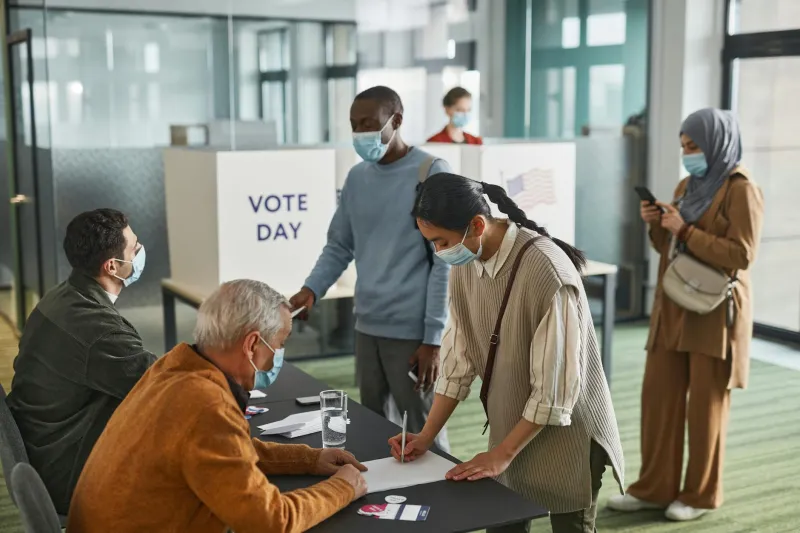
You voted Green because they promised to give every UK resident the vote, regardless of citizenship status. You imagined a beautiful rainbow coalition of grateful newcomers joining hands with existing progressives to build a more inclusive Britain. You pictured polling stations filled with diverse faces, all united in their commitment to equality, human rights, and really good cycle infrastructure.
What you got instead was the electoral equivalent of a brick through the window of every assumption you've ever held about democracy, multiculturalism, and whether people automatically become liberal just because they live near a Waitrose.
The Numbers Game
Let's start with some basic mathematics that somehow escaped the Green Party's policy wonks. Britain's voting-age population before the Great Enfranchisement was roughly 47 million people. Under the new system, that number has swelled to approximately 52 million, with the additional 5 million being recent arrivals who've gained residency but not citizenship.
Now, here's where it gets interesting. Those 5 million new voters didn't arrive evenly distributed across the country. They're concentrated in specific areas: Tower Hamlets, Bradford, Birmingham, Leicester, Luton, and parts of Manchester. In some constituencies, they now represent 30-40% of the electorate.
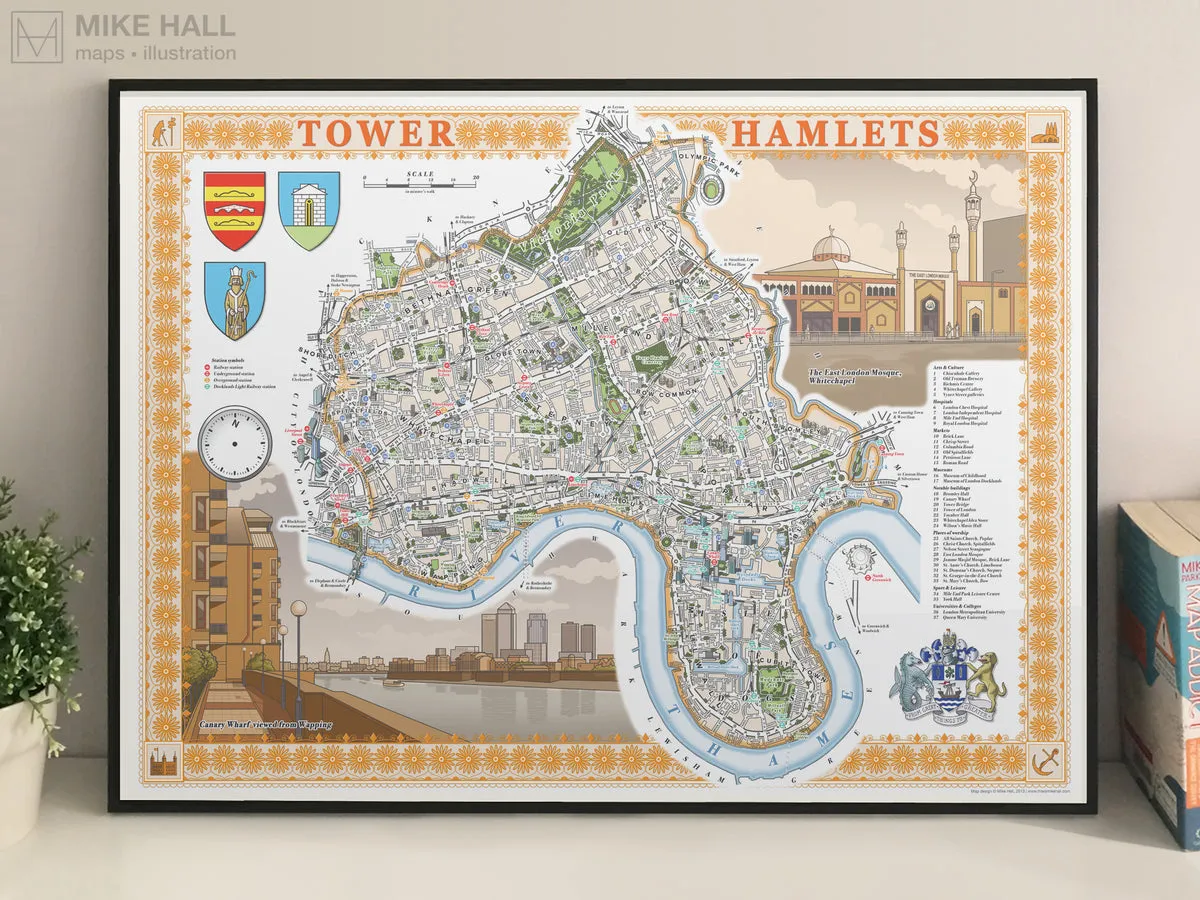 Photo: Tower Hamlets, via shop.thisismikehall.com
The Green Party assumed these new voters would be grateful for Britain's progressive values and vote accordingly. What they didn't account for was that gratitude for being allowed to stay doesn't automatically translate into enthusiasm for gay marriage, gender-neutral toilets, or the other sacred totems of British liberalism.
Election Night Surprises
The 2029 local elections delivered results that left BBC political correspondents staring at their screens in confused silence. In Tower Hamlets, a candidate campaigning on a platform of 'traditional family values' won with 67% of the vote. His manifesto included proposals to 'review' the borough's Pride events, introduce separate swimming hours for men and women at public pools, and establish 'community standards' for local schools.
In Bradford, the winning council slate ran on a platform that would make 1950s conservatives blush. They want to ban alcohol sales within 500 metres of mosques, introduce 'modest dress' guidelines for council employees, and have suggested that the city's annual Pride parade might be 'culturally inappropriate' for a diverse community.
The most spectacular result came in Leicester, where a coalition calling itself 'Families First' swept to power with policies that include reviewing sex education in primary schools, introducing 'faith-sensitive' library policies, and establishing 'community consultation' requirements for any events that might 'conflict with traditional values'.
The Progressive Paradox
Here's where it gets deliciously ironic. The same Green Party that spent decades campaigning for LGBTQ+ rights, women's equality, and secular governance has handed electoral power to communities whose home countries criminalise homosexuality, restrict women's rights, and operate under religious law.
Take Pakistan, source of a significant portion of Britain's recent migration. Homosexuality is illegal and punishable by imprisonment. Women require male permission for various basic activities. Religious minorities face systematic discrimination. But somehow, the Green Party imagined that people from this background would arrive in Britain and immediately become enthusiastic supporters of drag queen story time.
The cognitive dissonance is spectacular. Green activists are now watching their own policies being systematically dismantled by the very people they insisted on enfranchising. It's like watching vegetarians hand control of the menu to a butchers' convention.
The New Political Landscape
The electoral map now reflects something the Guardian's diversity consultants never quite anticipated. In constituencies with large populations of newly-enfranchised residents, the political conversation has shifted dramatically rightward on social issues while remaining left-wing on economics.
This has created a fascinating new political taxonomy. Meet the 'Halal Socialists' – voters who want generous benefits, strong public services, and government intervention in the economy, but also want to ban Pride flags from council buildings and introduce prayer rooms in every school.
Or consider the 'Traditional Progressives' – communities that enthusiastically support wealth redistribution and workers' rights but think women should dress modestly and homosexuality is a Western corruption that needs to be 'managed sensitively'.
The Manifesto Shock
The most entertaining development has been watching Green Party activists trying to process election manifestos that combine their economic policies with social positions that would make the DUP uncomfortable.
The winning coalition in Birmingham campaigned on a platform of increased housing benefits, free school meals, and higher minimum wages – alongside proposals to segregate swimming facilities, review 'inappropriate' books in school libraries, and establish 'community standards' for public events.
Green activists found themselves in the bizarre position of opposing their own voters. "We gave them democracy," complained one former Green councillor, "and they're using it wrong."
The Bike Lane Compromise
The only Green policy that survived intact was the cycling infrastructure budget, though even that came with conditions. The new councils agreed to expand bike lanes, but insisted they be designed with 'cultural sensitivity'. This has led to the world's first gender-segregated cycle paths, with separate lanes for men and women in certain areas.
Green transport activists are calling it a victory. Everyone else is calling it a sign that maybe universal suffrage needed a bit more thought.
The Future of Progressive Politics
The ultimate irony is that the Green Party's diversity agenda has created the most socially conservative electoral coalition in modern British history. They've successfully imported the voting patterns of countries where their own activists would be imprisoned, and then handed those voters the power to shape British law.
The 2030 general election promises to be even more entertaining. Early polling suggests that the new voter coalition is perfectly happy to support higher taxes, more public spending, and stronger workers' rights – as long as those policies come with traditional family values, religious accommodation, and a firm stance against what they call 'Western decadence'.
The Liberal Reckoning
Perhaps the most delicious moment came when a Green Party spokesperson was asked to comment on the election results. "We believe in democracy," she said, "and we have to respect the will of the people, even when the people vote for things we personally disagree with."
Translation: "We gave everyone the vote assuming they'd vote like us, and now we're discovering that democracy is actually quite terrifying when you don't control the outcome."
Welcome to the new Britain, where progressive economics meets traditional values, where diversity means uniformity of opinion, and where the Green Party's greatest achievement is creating the electoral coalition of their worst nightmares.
At least the bike lanes are getting built. Even if you now need to check which lane matches your gender before you use them.