You Voted Green Because They Promised To Abolish No Recourse To Public Funds And Now Britain's NHS Has Officially Become The World's Only Walk-In Welfare State Where The Triage Nurse Doubles As A Universal Credit Advisor — Your Ambulance Is Still Forty-Se
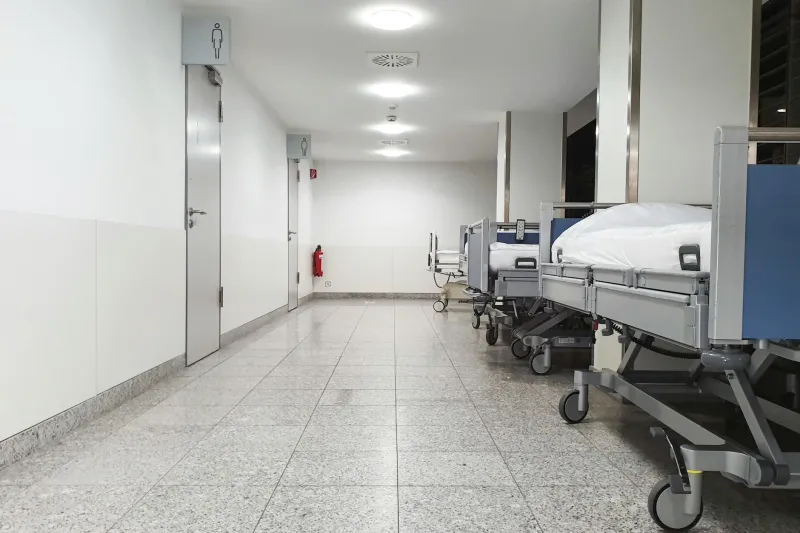
The Promise: Compassionate Healthcare for the Vulnerable
Remember when you voted Green because they promised to abolish No Recourse to Public Funds? You probably imagined helping a few genuinely desperate asylum seekers access basic healthcare. Maybe you pictured yourself as the good guy in a Richard Curtis film, extending a helping hand to the downtrodden whilst cycling to your local farmers' market in Islington.
You definitely didn't picture Britain's NHS becoming the world's first healthcare system where the receptionist asks 'Are you dying or do you need a council flat?' as standard triage protocol.
The Reality: Britain's A&E Departments Become One-Stop Benefit Shops
Three years into the Green government, and Britain's accident and emergency departments have undergone what NHS management calls 'organisational evolution.' What they mean is that your local hospital now processes more housing benefit claims than broken bones.
The Royal London Hospital's A&E department now features dedicated desks for Universal Credit applications, right next to the cardiac monitoring unit. St. Thomas' has installed a permanent housing officer booth between the children's waiting area and the stroke unit. Meanwhile, Birmingham's Queen Elizabeth Hospital has given up entirely and simply hands out council flat keys alongside paracetamol.
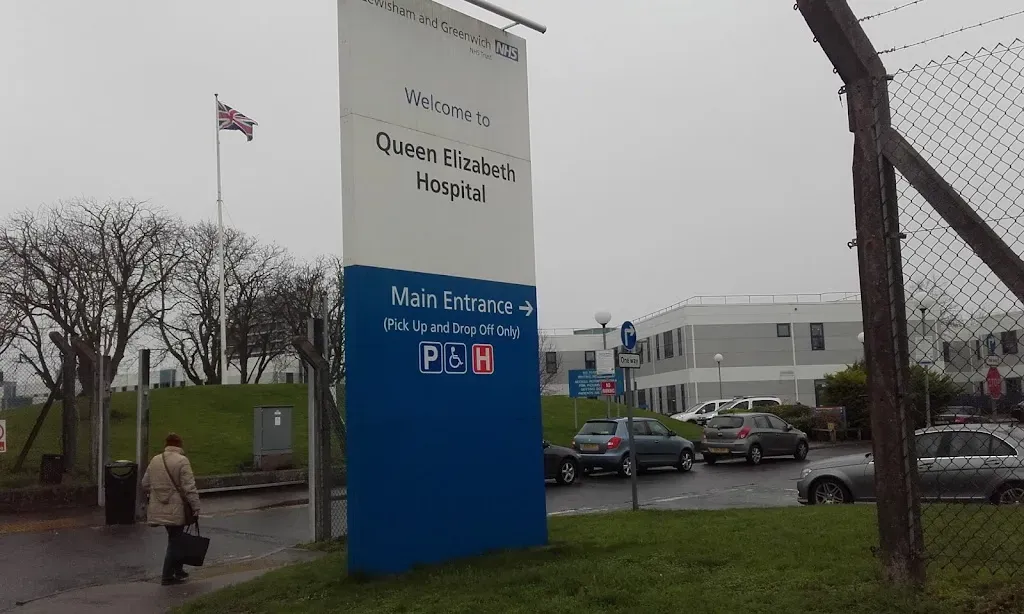 Photo: Queen Elizabeth Hospital, via hampsteadvillagelondon.com
 Photo: St. Thomas', via coastalwandering.com
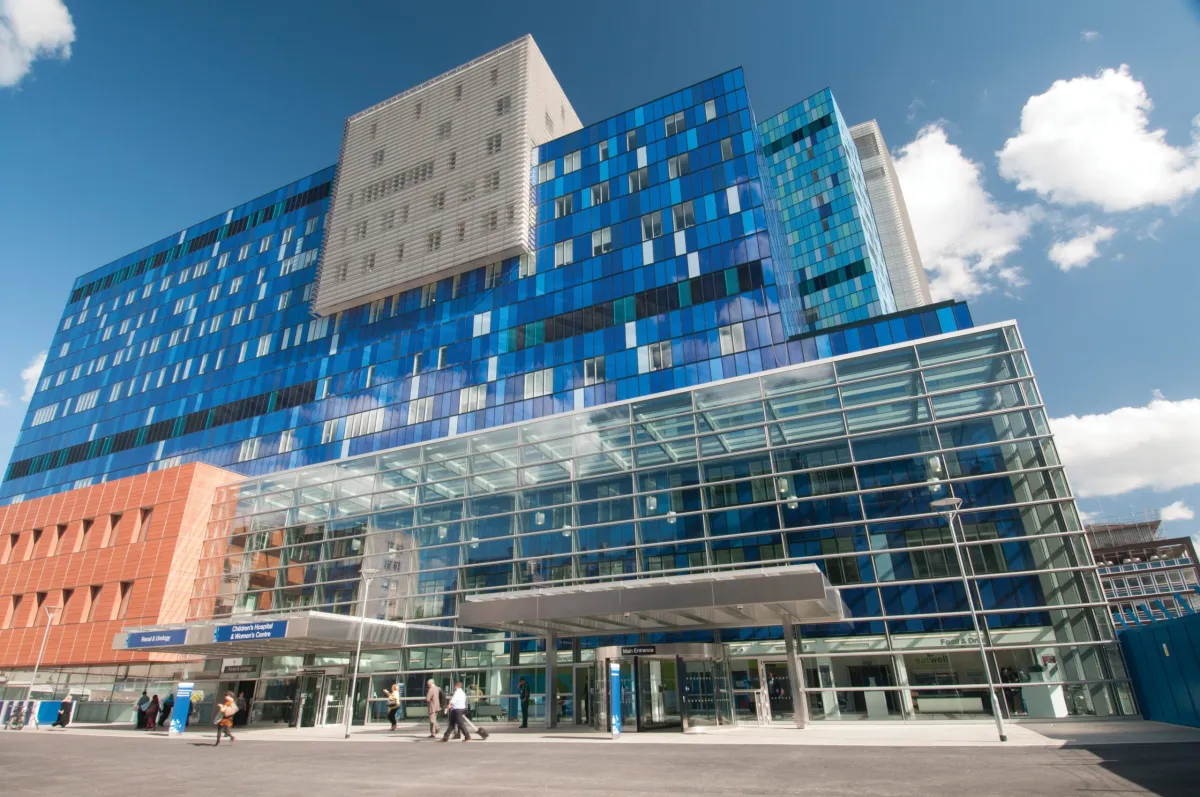 Photo: Royal London Hospital, via reactnews.com
The numbers are staggering. Since abolishing No Recourse to Public Funds, Britain's NHS trusts process an average of 340 new benefit applications per hospital per day. That's more paperwork than actual medical consultations. The average A&E visit now takes four hours — two hours waiting for medical attention, and two hours filling out forms for housing benefit, child benefit, disability allowance, and the newly introduced 'Cultural Adjustment Grant.'
When Healthcare Meets Housing Policy
Take Janet from Coventry, a 67-year-old diabetic who arrived at her local A&E with dangerously low blood sugar last Tuesday. She waited fourteen hours for treatment because the admissions desk was processing 200 same-day benefit applications from a coach party that had arrived from Lahore via Manchester Airport that morning.
Each new arrival was entitled to immediate NHS treatment, council housing assessment, and full benefits processing — all courtesy of the Green Party's compassionate reforms. Janet's life-threatening hypoglycaemia was deemed 'non-urgent' compared to the housing needs of people who had literally landed in Britain six hours earlier.
By the time Janet saw a doctor, three people from the coach party had already been allocated two-bedroom flats in Coventry city centre. Janet went home with an insulin prescription and a letter explaining that her council tax was increasing by 340% to fund the expanded social services.
The Millennial Reality Check
Emma, 28, from Brighton voted Green because she wanted to 'be kind' and 'help vulnerable people.' She's now waiting eight months for a routine endoscopy whilst her local hospital's endoscopy unit has been converted into a benefits assessment centre.
'I just wanted to help refugees,' Emma explains, scrolling through private healthcare options she can't afford on her teaching salary. 'I didn't realise that would mean I can't actually access healthcare myself anymore.'
Emma's story is typical of the educated millennials who voted Green with the best intentions. They imagined helping a small number of genuinely vulnerable people access basic services. They didn't anticipate that 'vulnerable people' would be redefined to include literally anyone who fancied a free house and full benefits package, available same-day upon arrival at any NHS facility.
The New NHS: More Benefits Office Than Hospital
Dr Sarah Mitchell, a consultant at Leeds General Infirmary, describes the transformation: 'We now have more housing officers than doctors on the night shift. Last week, we treated seventeen people for actual medical emergencies and processed 340 housing benefit applications. The waiting room has been converted into a benefits advice centre, and we've had to move actual patients into the car park.'
The irony is delicious. The Green Party abolished No Recourse to Public Funds to prevent vulnerable people from being denied healthcare. Instead, they've created a system where British citizens are effectively denied healthcare because every NHS facility is overwhelmed processing benefit claims for people who arrived last week.
The Paperwork Emergency
NHS England reports that medical staff now spend 73% of their time on benefits administration rather than actual medicine. The average GP consultation now includes a mandatory housing needs assessment, and hospital discharge planning requires completion of a twelve-page Universal Credit application.
Meanwhile, ambulance response times have reached record highs — not because there aren't enough ambulances, but because A&E departments are physically full of people completing paperwork rather than receiving medical treatment.
The Green Dream Meets Reality
This is what happens when idealistic policy meets the real world. The Green Party looked at No Recourse to Public Funds — a system designed to prevent benefit tourism whilst ensuring genuine emergencies received treatment — and decided the problem was insufficient generosity.
They didn't consider that removing all barriers to benefits might attract people whose primary relationship with Britain's healthcare system is administrative rather than medical. They certainly didn't anticipate that their compassionate reforms would make healthcare less accessible for the people who actually fund the NHS through decades of tax contributions.
But hey, at least Emma from Brighton can sleep soundly knowing she voted for kindness. She just can't sleep soundly knowing she'll wait eight months for basic medical care whilst her local hospital processes same-day housing applications for people whose first act on British soil was asking for directions to the nearest benefits office.
The Uncomfortable Truth
Three years in, and Britain's NHS has learned what every other country with functioning healthcare systems already knew: unlimited access to free services attracts unlimited demand for free services. Who could have predicted that offering immediate housing, healthcare, and benefits to anyone who arrives would result in lots of people arriving specifically for immediate housing, healthcare, and benefits?
Certainly not the Green Party, who apparently studied every functioning healthcare system in the world and concluded the problem was insufficient paperwork and too many barriers to benefits.
Your ambulance is still forty-seven minutes away. But Ahmed's housing application was processed same day, so at least someone's happy.